Quick answer
Developing raw land takes research up front. Walk the land and sketch where everything will go, then work through a checklist that covers zoning, setbacks, deed restrictions, flood, fire and other hazards, water, septic, power, internet, access, trash, mail and contractors. Get answers in writing and write open questions into your offer as conditions.

By Ryan Kuchler
Ryan is a software architect and investor who approaches land the way he approaches any project, with a checklist.
Key points
- Walk the property in person before you offer. Photos and descriptions don't show what the land can and can't do.
- Ask what the zoning allows, what needs a conditional use permit, and what the setbacks are for buildings, wells and septic systems.
- Contact every entity with jurisdiction over the parcel and every utility you want to use, and get each answer in writing.
- Leave room in your budget and schedule for surprises. The more due diligence you do, the smaller they get.
What to look for when you walk the land
Developing raw land can be exciting and rewarding. It also takes research to avoid surprise costs and delays.
Before you make an offer, make sure the land will work for what you want to build. Walking it gives you a more realistic picture of what you can do with it, and what you can't. It also prevents the kind of buyer's remorse that cancels a contract once the buyer sees the lot in person.
As you walk it, ask:
- Where would the building or main use go?
- Is there enough level ground?
- Where do I get the best views, or the most shade?
- Does a driveway exist, and can it handle the vehicles I need, including delivery and construction trucks?
- Is there room for a shed or other structures once you account for setbacks?
- Do I need to clear trees or vegetation?
- Are there low spots or washes that could flood?
- Can I still get to the land when the weather changes?
- What are the adjacent properties used for?
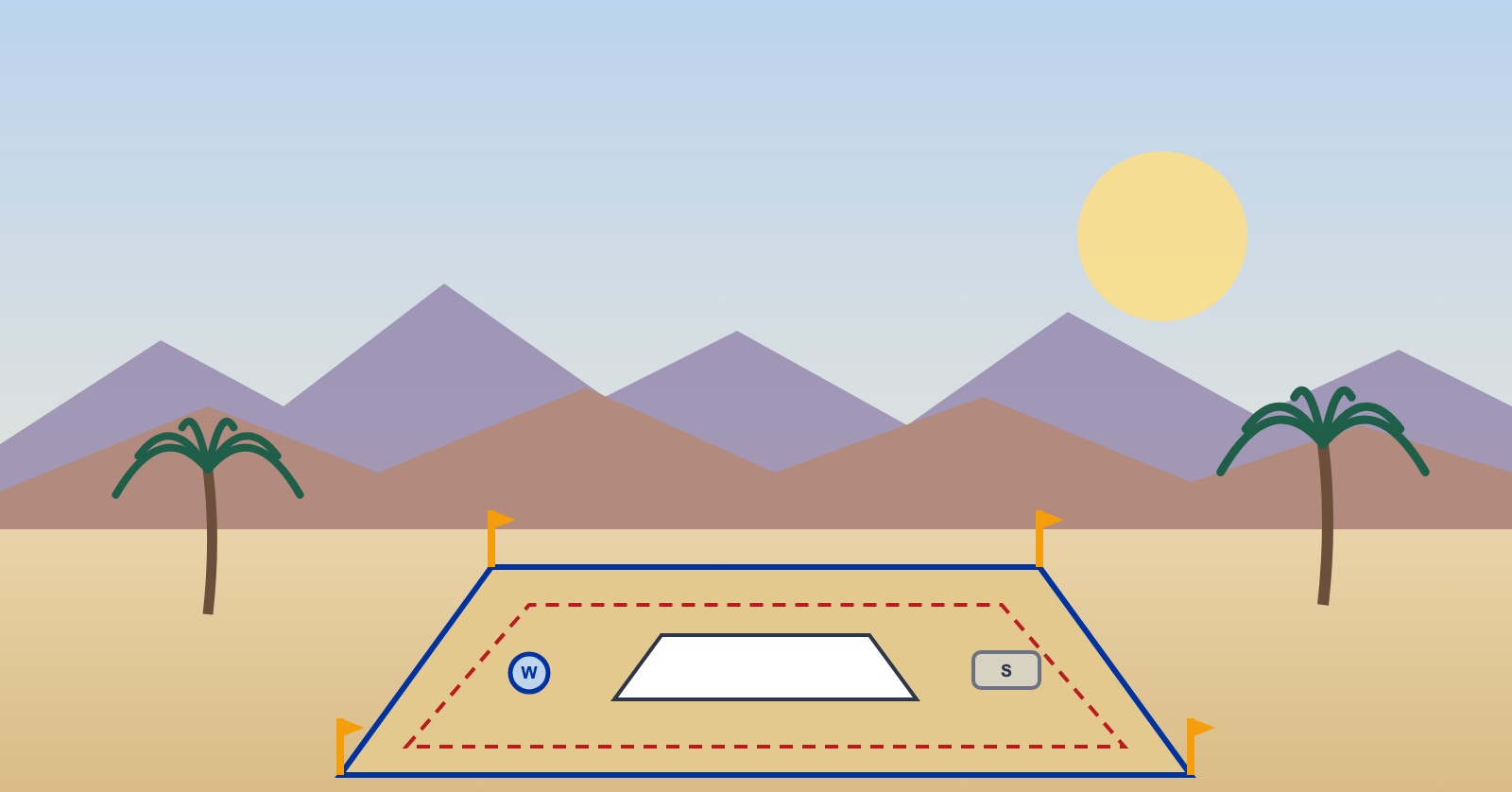
Then sketch the lot on paper, or print a map of the parcel and draw on it. Add the driveway, the building site, the utility connections, trees you want to keep and any structures you might build later. The plan will change, but it gets you thinking like a developer.
Why in the Coachella Valley the details matter
Rules change from city to city and between the cities and unincorporated Riverside County. Washes and flood zones matter in the desert, and summer heat affects how you power and cool a building. Ask about all of it on the specific parcel, not the general area.
Build a due-diligence checklist
Do this before you make an offer. If questions remain when you do, specify them as conditions in the offer. Contract wording has legal consequences, so work with a real estate agent or an attorney licensed in the state where the land is.
Start with a list of everyone who has legal jurisdiction over the parcel, then add the providers of every utility or service you want. Not every item will apply to you, and you may have others to add.
| Who to contact | What to ask |
|---|---|
| City or county planning and zoning office | What is the zoning, and what does it allow? Does it allow your intended use, such as a house, a cabin, an RV, a mobile home or a tiny house? These can have different rules. Is there a time limit or a permit requirement? Which uses need a conditional use permit or other exception, and what does that process cost and how long does it take? |
| Planning office and environmental health department | What are the setbacks from property lines and roads for buildings and structures, and the required distances for a well and for a septic system? Those distances to each other, to property lines and to washes or water can shrink the usable part of the lot. |
| County recorder | Pull the deed. Has a developer restricted the land's use? Are there easements you didn't expect? |
| FEMA, CAL FIRE and the California Geological Survey | Look up the parcel on FEMA's flood maps, CAL FIRE's fire hazard severity zone maps and the state's earthquake fault zone maps. Ask the county about washes, drainage and wind exposure too. Hazard zones can change what you can build, what it costs and what insurance you'll pay, so ask insurers for quotes early. |
| Association directors | What are the rules, how do you get approval for changes, and what are the upfront and ongoing fees? |
| Water provider | What does a connection cost, and how long does it take? If there's no service, ask local contractors about drilling a well or hauling water. You'll likely need a plumber or contractor to run a line from where water enters the property. |
| Sewer agency or septic contractor | If there's municipal sewer, ask about the cost and timeline. If not, a contractor can do a perc test and tell you whether a septic system will work, what it costs and which permits you need. |
| Power company | Is service available? Tell them what you're building, since programs and costs can differ by use. You'll likely need an electrician for permits, a meter and a panel. If there's no power, ask about solar panels, generators and batteries. |
| Phone, internet and cable | Which providers serve the lot? If none, cellular, hotspots and satellite internet such as Starlink may work. Availability and speed can vary even across one property, so test before signing a long-term contract. |
| Propane and gas | If natural gas isn't available, you may rely on propane for heat, cooking and hot water. Ask about delivery, or how far you'd drive to refill. |
| Garbage and recycling | Is pickup available, or do you haul your own to a facility? |
| Post office, FedEx and UPS | Is there delivery or are there PO boxes? FedEx and UPS may deliver where USPS doesn't, but call their local centers. |
| Excavators | Driveways, grading and tree removal add up quickly. Get estimates and understand setback requirements up front. |
| General contractors | Do you want one to manage the work, or will you hire subcontractors yourself? Check licenses and references. |
Get it in writing
As you work through the list, ask each entity for something in writing. If you can't get that, keep notes with the date and the name of everyone you spoke with. Make sure you understand every restriction, requirement, ongoing fee and tax that applies. Be upfront about what you plan to do, so there are no surprises later.
Check the numbers against your budget
When the checklist is done, finish your sketch and compare the costs to your budget. The sketch is also useful when you talk with contractors and apply for permits. As with any building project, leave room in the budget and schedule for unexpected costs and delays. The more due diligence you do, the smaller they tend to be.
Work with us before you buy
There's a lot of work in developing raw land, but the reward is a property set up where you want it, the way you want it.
You don't have to do it alone. Work with agents who are experienced in raw land, like us. Jeff and Ryan can walk the checklist with you for a specific parcel, help you find out who has jurisdiction, and write the right conditions into your offer. Send us a note before you make an offer on land.
Frequently asked questions
Can I buy raw land without seeing it?
You can, but many sellers will wisely refuse an offer from a buyer who hasn't seen the property. Walking the land shows you what the photos and description leave out.
What is a conditional use permit?
It's approval from the local planning authority for a use that the zoning doesn't allow outright. It usually involves an application, fees and sometimes a public hearing, and it can be denied or come with conditions. Ask which of your plans need one before you offer.
Is power available if I see power lines nearby?
Don't assume so. Some lines are for transmission only and aren't meant to provide residential service. Ask the local utility what service is available to the parcel and what it costs to connect.
How do I know if a septic system will work on my land?
Hire a local contractor to do a percolation test. They can also give you cost estimates, time frames and the permits required.
Do I need a contractor?
Not necessarily. You can hire a general contractor, who typically charges a percentage of the project cost, or find subcontractors yourself. Either way, confirm they're licensed, experienced with this kind of project, and check references.
This article is general information, not legal, tax or lending advice. Rules change; confirm details with the relevant agency, your lender and a qualified professional.