Quick answer
Not always. Owning a parcel doesn't give you the right to camp on it, because each layer of government and every association over the land can restrict it. Some places ban any temporary structure, some allow it for a limited time, and some offer a permit. Ask every body that has jurisdiction over the parcel, in writing, before you make an offer.

By Ryan Kuchler
Ryan has developed land for RV camping in several states. California makes it difficult to do legally in most jurisdictions, which is why he checks the rules before anything else.
Key points
- Every parcel sits inside several layers of rules, such as the state, county, city and any association, and each can add its own restrictions, taxes and fees.
- The fewer layers over a parcel, and the less populated the area, the more likely camping is allowed.
- Raw land is often not marketed for camping, so agents and owners may not know the answer. Confirm it yourself and put it in writing.
How land ownership is layered
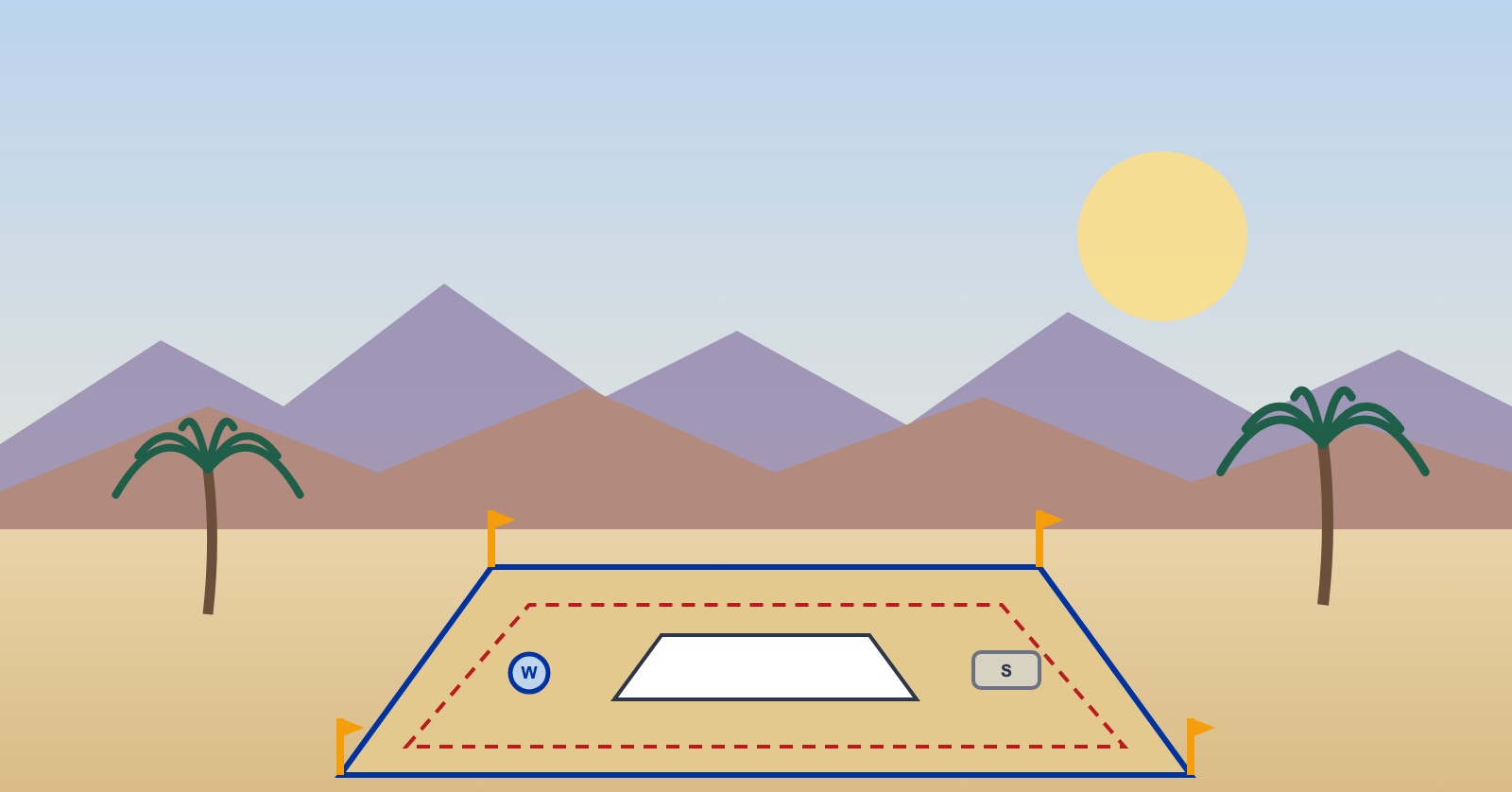
Think of land ownership as a set of concentric circles. The outer circle is the federal government. Inside it is the state, then the county, and in some places a township. A parcel can also sit inside a city, a town, a homeowners association or a cooperative.
Each circle can bring its own services and amenities. Each can also bring its own laws, ordinances, covenants, conditions and restrictions, and taxes or assessments. Whatever land you buy fits somewhere in this structure, and more circles usually means more services but also more rules and fees.
Decide what services you want, how much regulation you can live with, and what you can spend on taxes and fees. That tells you which kind of parcel to look at.
Is RV camping legal on the land you want to buy?
Owning land doesn't mean the rules over it will let you camp on it. Some jurisdictions prohibit staying in any temporary structure, including an RV, for any length of time. Others allow it for a limited period. Others have a permit process that lets you use the land indefinitely if you meet its requirements.
Every place has exceptions, but two patterns hold more often than not:
- The fewer legal structures a parcel belongs to, the more likely you can camp on it.
- The more populated the area, the more land use is regulated, and the less likely camping is allowed.
Don't assume a lot that's cheap and empty is a lot you can camp on. Get the answer in writing before you offer.
How to find out what's allowed
The traditional way is to contact every entity that has jurisdiction over the parcel and ask. That takes time, and the hardest part is often working out who to ask when several governing bodies overlap. Owners and agents who list raw land usually aren't marketing it for camping and may not understand the rules that apply.
When you ask, be specific:
- Is camping in a recreational vehicle allowed? Mobile homes, tiny houses and tent camping can fall under different rules.
- If so, for how long, and is a permit required?
- Does the deed or an association add restrictions the city or county doesn't?
If you'd rather have someone start that list with you, ask us.
How buying RV land works
It's similar to buying a house. You agree on terms with the owner or agent, then open escrow with a local escrow or title company. In escrow the buyer deposits the purchase money, finalizes any financing and completes due diligence. The seller deposits the deed. The title company prepares the deed and arranges title insurance. When every term of the contract is met, the sale closes and you become the legal owner.
How financing differs
Not every bank lends on raw land or on land set up for RV camping, but some do, especially local banks. Ask them directly whether your parcel qualifies. If you're buying inside an association, ask the developer whether a financing program exists. Developers often have already worked with a bank on one.
Some owners will finance the sale themselves. This is sometimes called a land contract, a purchase-money mortgage or an installment sale, and an attorney typically drafts it. It's a fairly common arrangement, but talk to your own attorney first so your interests are protected.
Renting instead of buying
You can also rent RV land. Terms can be by the night, week, month, season or year. When you find a place, contact the owner or agent, ask your questions and negotiate the terms of a rental agreement.
Renting a space for a season is a way to test a location before you commit to buying, and it lets you see whether a place works for you in summer heat as well as winter.
Next: what to check before you develop raw land.
Frequently asked questions
Can I live in an RV on land I own?
Only if the rules for that parcel allow it. Some jurisdictions prohibit staying in any temporary structure, others allow it for a limited time, and others issue a permit that allows indefinite use if you follow its conditions.
Who do I ask whether RV camping is allowed?
Start with the city or county planning or zoning office, then check the deed for recorded restrictions and ask any homeowners association or park for its rules. In the Coachella Valley that usually means one of the valley's cities or Riverside County, depending on where the parcel sits.
Can I get a loan to buy RV land?
Maybe. Fewer banks lend on raw land, but some local banks and credit unions do. Owner financing is another option, and an attorney should draft it.
Can I rent RV land instead of buying it?
Often yes. Rental terms can run by the night, week, month, season or year, and you negotiate them directly with the owner or agent.
This article is general information, not legal, tax or lending advice. Rules change; confirm details with the relevant agency, your lender and a qualified professional.